
The Problem: AI Is Getting Smarter, But Are We Keeping Up?
If you’ve ever asked an AI a question and gotten a confusing or irrelevant answer, you might have thought, “Well, that was useless.” But here’s the thing—AI isn’t the problem. The way we ask is.
Think about it like this: if you tell a chef, “Make me food,” you might get anything from a bowl of cereal to a gourmet steak dinner. But if you say, “I’d love a spicy chicken pasta with extra garlic,” you’ll get something much closer to what you actually want.
That’s the challenge with AI prompting right now. As AI reasoning models become more advanced, the old way of asking simple questions isn’t enough anymore. If we want better responses, we have to ask better questions.
Let’s break it down.
AI Has Evolved—So Should Our Prompts

AI Prompting has come a long way from just predicting the next word in a sentence. Today’s large language models (LLMs) can solve complex problems, think through multiple steps, and even understand context much better than before.
But here’s where things get tricky—because AI has gotten better at reasoning, it actually needs more information to do its job well. Old-school, one-line prompts don’t give it enough to work with.
Old AI Prompting vs. New AI Prompting
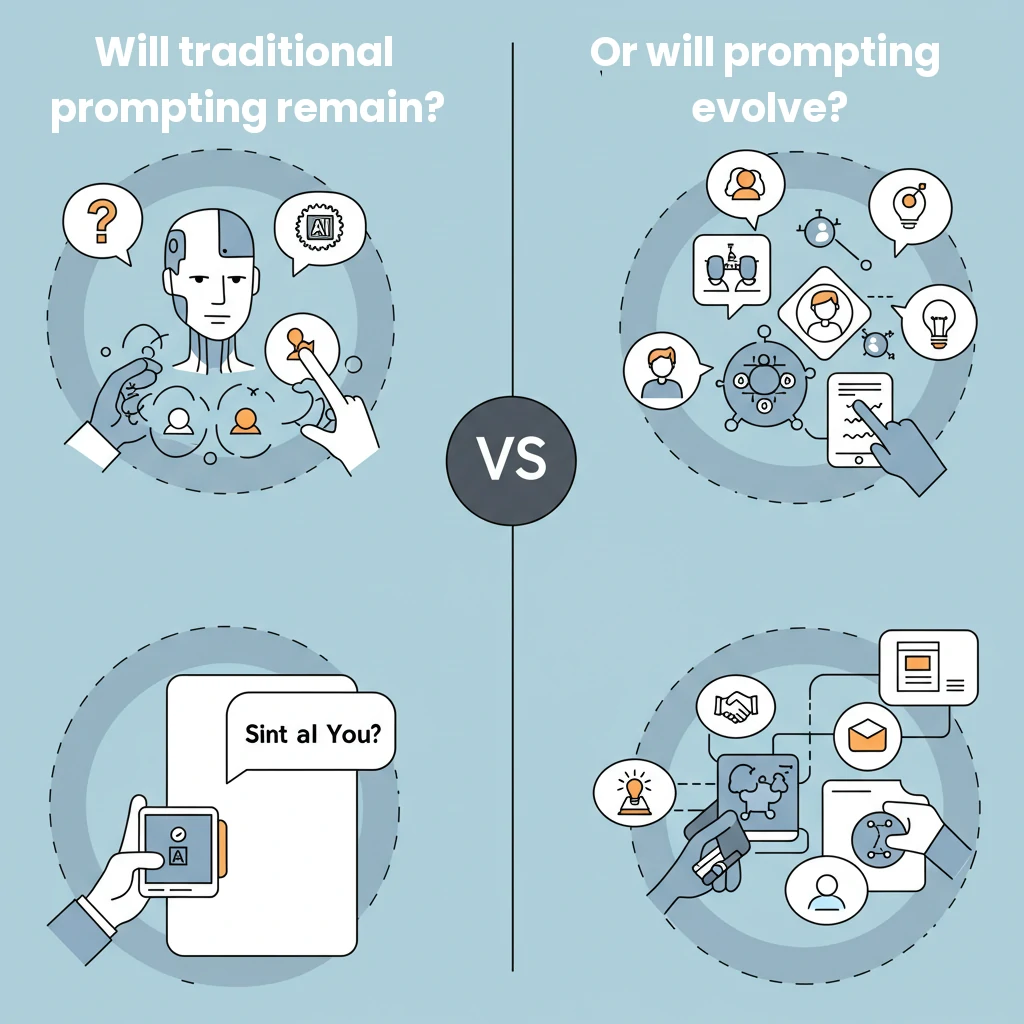
🚫 Old Way: “Tell me about climate change.”
✅ New Way: “Explain climate change like I’m 12 years old, using an example of a melting ice cream cone.”
See the difference? The second version adds context (who the audience is) and guides the AI to use an easy-to-understand analogy. That’s what today’s AI needs—smarter, more structured prompts.
How to Write Better Prompts for AI Reasoning Models
So, how do we adjust our approach? Here are three big shifts that can completely change how AI responds to you.
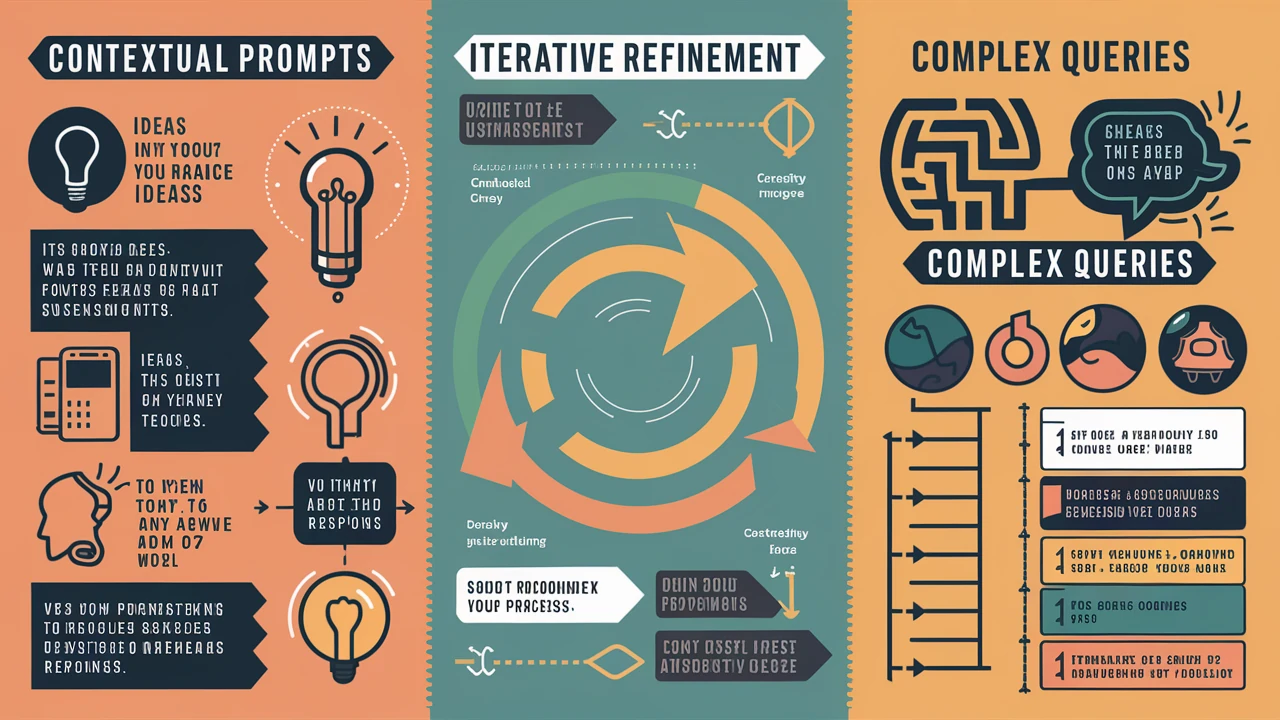
1. Context Is Everything
Let’s say you walk into a bookstore and ask an employee, “Do you have books?” Technically, they could say yes and walk away. But if you ask, “Do you have beginner-friendly books on photography?” you’ll actually get what you need.
AI works the same way—it needs context to give useful answers.
🔹 Better Prompting Strategy:
- Add background details: “Summarize the impact of electric cars on the environment, focusing on emissions and battery recycling.”
- Set a tone: “Explain cryptocurrency in a fun, engaging way, as if talking to a group of high school students.”
- Specify format: “Write a 5-step guide on how small businesses can use AI for marketing.”
2. Don’t Settle—Refine Your Prompts
One of the biggest mistakes people make? Asking once and accepting the first answer.
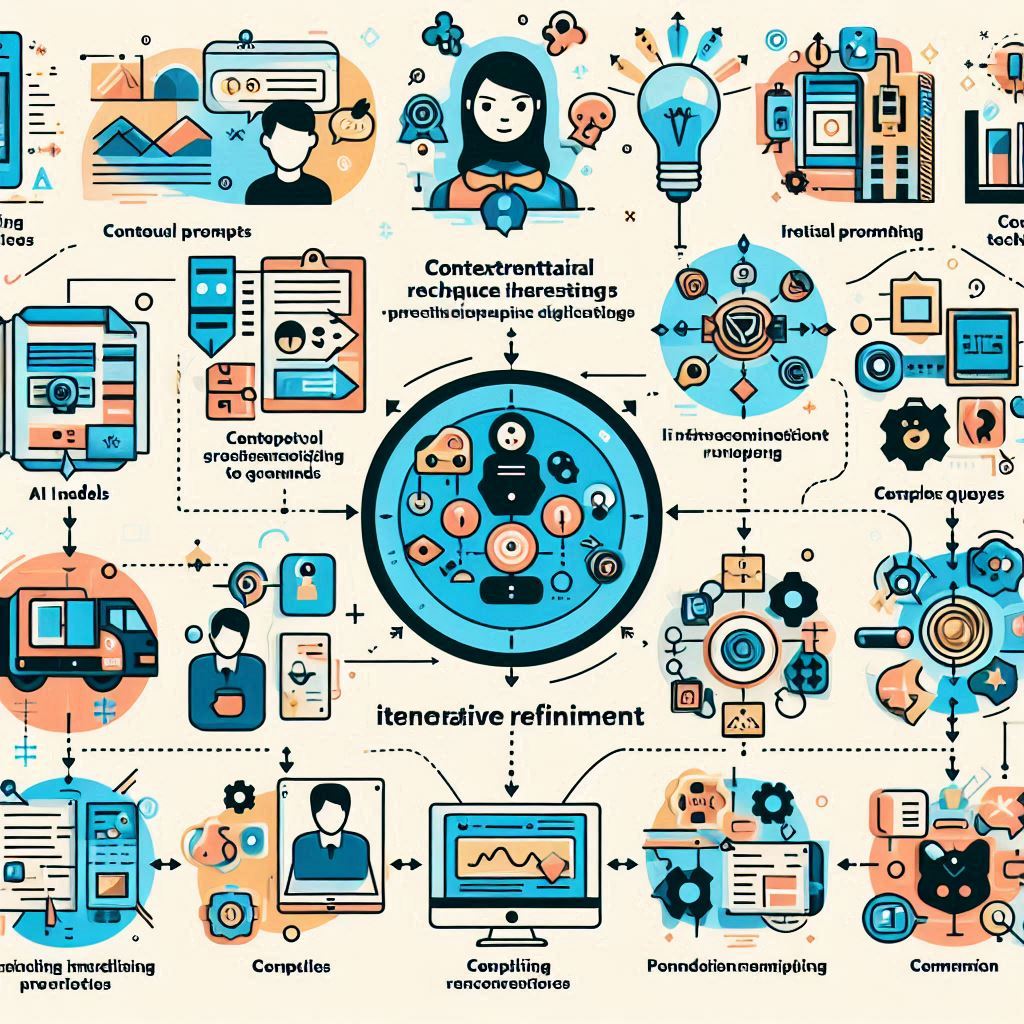
Think of it like brainstorming with a friend. The first idea might be okay, but when you talk it through, it gets way better. That’s why iterative refinement is key—meaning, you tweak and adjust your prompt until you get the best result.
🔹 Example of Refinement:
First Try: “Tell me about the history of space travel.” (Okay, but vague.)
Better: “Summarize the major milestones in space travel, focusing on the U.S. and Russia from 1950 to today.”
If the AI still doesn’t give the answer you want, rephrase, add details, or ask follow-ups.
3. Challenge AI to Think Critically
AI is great at pattern-matching, but if you don’t ask it to reason through a problem, it might just give you generic information.
A basic prompt like “Explain the stock market.” will get a simple answer. But if you say, “Compare the stock market’s response to economic recessions in 2008 and 2020, and explain why they were different,” you’ll get a more thoughtful response.
🔹 Best Practices for Complex Queries:
- Ask for comparisons (“Compare Tesla’s and Apple’s approach to innovation.”)
- Request step-by-step explanations (“Break down how neural networks learn to recognize faces.”)
- Include “why” questions (“Why do experts say AI ethics are important for future development?”)
When you push AI to think, you get richer, deeper answers.
Real Examples: Why These Strategies Work

Let’s see this in action. Imagine you’re writing an article about renewable energy.
🚫 Basic Prompt: “Tell me about renewable energy.” (Boring, unfocused.)
✅ Better Prompt:
“Write an engaging 800-word blog post comparing wind and solar energy. Explain their pros and cons, which industries use them most, and the future outlook for each.”
Why does this work?
✅ It’s specific (wind vs. solar).
✅ Sets a structure (pros/cons, industries, future trends).
✅ Gives a format (800-word blog post).
By guiding AI instead of just asking a question, you get way better results.
Why This Matters: AI Users Need to Adapt
The way we interact with AI is changing fast. People who learn how to ask better questions will get more powerful, customized results.
At (Company Name), we help businesses and individuals harness AI effectively. Whether you’re using AI for content creation, research, or business automation, knowing how to structure your prompts can make a huge difference.
Where AI Prompting Is Headed Next

This isn’t just a trend—it’s where AI is going. As AI reasoning improves, we’ll need even smarter prompting techniques. Future AI interactions might include:
🚀 AI that remembers context across conversations.
🤖 Models that ask follow-up questions for clarity.
🧠 Plus It adapts prompts automatically based on the user’s intent.
Exciting, right? But for now, the best thing we can do is write better prompts—and get AI working for us.
Final Takeaway: The Better the Prompt, the Smarter the AI
If AI isn’t giving you the answers you need, don’t blame the tech—improve your question.
Next time you use AI, remember:
✅ Give context to guide responses.
✅ Refine your prompt until you get what you need.
✅ Challenge AI to think critically for deeper insights.
At TellMePrompter, we believe AI should work for you, not the other way around. Want more AI tips? Let’s chat. Drop a comment below or reach out—we’d love to hear how you’re using AI in your daily life! 🚀