
Unlocking the Secrets of AI Art Prompts: A Beginner’s Guide to Creating Stunning Masterpieces
Hey there, creatives! Are you fascinated by the incredible images generated by AI art algorithms? You’re not alone! As an artist or designer, you’re probably curious about how to tap into this technology to create stunning masterpieces. Well, you’ve come to the right place. In this article, we’ll demystify the process of crafting AI art prompts and share some expert tips on how to write prompts that deliver.
What Are AI Art Prompts, Anyway?
An AI art prompt is essentially a set of instructions that guides an AI algorithm to generate an artistic image. Think of it like a recipe for creating a digital masterpiece. When you feed an AI with a well-crafted prompt, it uses this information to create an image that’s tailored to your vision.
Why Do Well-Crafted Prompts Matter?
Let’s face it – AI algorithms are only as good as the data they receive. A poorly written prompt can lead to disappointing results, while a well-crafted one can yield stunning masterpieces. Just like cooking a meal, if you use high-quality ingredients and follow a recipe carefully, you’ll end up with a dish that’s truly scrumptious!
How to Write an Effective AI Art Prompt
Crafting AI Art Prompts
Crafting a great AI art prompt requires a combination of creativity, specificity, and clarity. Follow these simple steps to get started:
1. Define Your Vision
Before writing your prompt, take some time to think about what you want to create. Are you looking for a futuristic cityscape, a fantastical creature, or a stunning landscape? Be clear about the theme, style, and mood you’re aiming for.
Example: “Create a futuristic cityscape with towering skyscrapers, sleek hovercars, and a vibrant neon-lit atmosphere.”
2. Be Specific
Use specific words and details to guide the AI in the direction you want it to take. This will help ensure that the generated image meets your expectations.
Example: “Design a dragon with iridescent blue scales, fiery red eyes, and a majestic wingspan.”
3. Use Keywords and Phrases
Certain keywords and phrases can have a significant impact on the generated image. Use them to inject your prompt with life and personality.
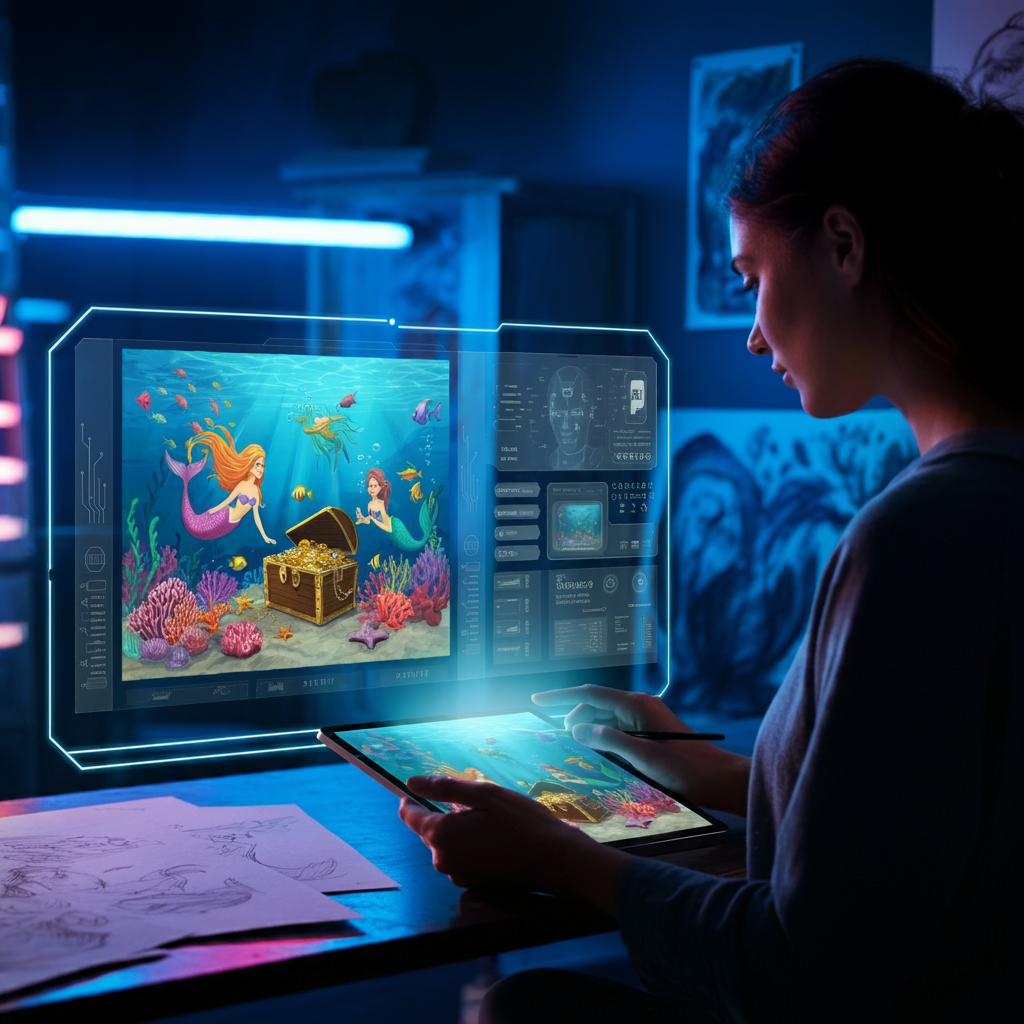
Example: “Create a whimsical underwater scene with playful mermaids, colorful fish, and a sunken treasure chest.”
4. Keep it Simple
Avoid using overly complicated language or convoluted sentences. The AI algorithm is designed to understand simple, clear language. Make it easy for the AI to follow your instructions.
Example: “Design a minimalist robot with a glowing blue core and a slender metal body.”
5. Experiment and Evolve
Don’t be afraid to try different prompts, iterate on your ideas, and adjust your approach. The key is to find what works best for you and your creative vision.
Tips and Tricks
Here are some additional tips to help you craft effective AI art prompts:
Use emotions: Incorporate emotions into your prompt to give the AI a sense of the desired mood or atmosphere.
Describe textures and patterns: Use descriptive language to convey the textures, patterns, and materials you want to see in the generated image.
Avoid clichés: Steer clear of overused concepts or ideas that may result in generic, uninteresting images.
Keep it concise: Aim for a prompt that’s no longer than a few sentences. The AI algorithm will thank you!
Case Study: AI Art Prompts in Action
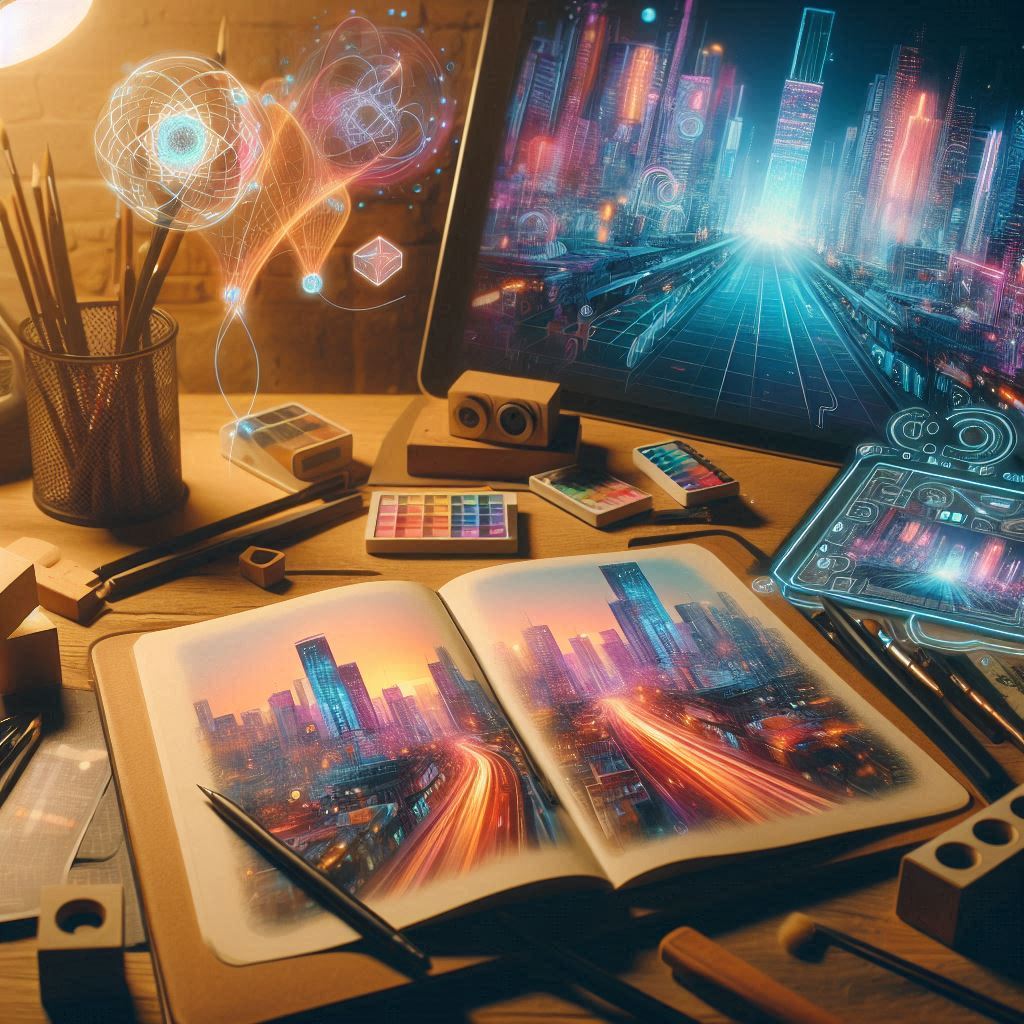
Let’s take a look at an example of how an effective AI art prompt can lead to stunning results. Imagine you’re an artist looking to create a futuristic, neon-lit cityscape. Here’s a prompt that could lead to an incredible image:
“Create a futuristic metropolis with towering skyscrapers, holographic advertisements, and a vibrant neon-lit atmosphere. Incorporate bold, abstract shapes and dynamic lighting effects. Use a mix of cool blues and hot pinks to create a striking visual contrast.”
Results:
The AI algorithm takes this prompt and generates an image that’s nothing short of breathtaking. The cityscape is a kaleidoscope of color, with neon lights dancing across the rooftops, holographic advertisements towering above the streets, and bold, abstract shapes slicing through the architecture. The atmosphere is electric, with a sense of energy and movement that draws you in.
Conclusion
Crafting effective AI art prompts requires a combination of creativity, specificity, and clarity. By following these simple steps and experimenting with different approaches, you can unlock the full potential of AI art generation. Remember to keep it simple, use emotions, and describe textures and patterns. And most importantly, have fun!
Final Tips
Before you start creating your own AI art prompts, keep the following in mind:
Practice makes perfect: Don’t be discouraged if your early attempts at writing prompts don’t yield the results you’re looking for. Keep practicing, and you’ll quickly see improvements in the quality of your generated images.
Experiment with different styles: Don’t limit yourself to a single style or genre. Experiment with different approaches, and you may be surprised by the unexpected results you discover.
Share your work: Don’t be afraid to share your AI-generated art with others. You may be surprised by the feedback and encouragement you receive, and who knows – you may even discover new creative collaborations!